

Carriers and fleets
Help for fleet owners who are still managing everything themselves
You may have trucks, drivers, dispatch staff and office support. Yet the business still depends on you to answer questions, solve problems and keep the day moving.
We help owner-led fleets build clearer management, better reporting and a more consistent way to run the operation. When needed, we can also take an active role in managing it.
Signs the fleet has outgrown owner-run management
The business is bigger, but the owner's role has not changed
A fleet often grows one truck, one driver and one customer at a time. The owner keeps solving each new problem.
You may have outgrown owner-run management if:
- Dispatch calls you before making routine decisions.
- Drivers come to you because managers do not have clear authority.
- Customer problems reach you before anyone else acts.
- You check the operation early, late and during time away.
- Staff use different methods for the same work.
- One employee holds too much knowledge.
- New hires take months to become useful.
- Managers wait for approval instead of taking responsibility.
- Reports do not show the full picture.
- The same problems return after each meeting.
- The company slows down when you are not available.
- Growth has created more work for you, not less.

Operational and financial pressure
A difficult market leaves less room for weak management
Fleet owners already deal with pressure from rates, fuel, insurance, maintenance, drivers, customer demands and equipment costs.
Poor management adds to it. A missed maintenance warning can cause disruption. A driver issue can become a customer issue. A manager who does not act can push every problem back to the owner.
These problems do not always appear in one report. They show up across the operation. The company may stay busy while control gets weaker.
We help owners see which problems come from the market and which come from the way the business is managed.
Where owner dependency shows up
The owner becomes the link between every part of the company
Dispatch
Staff call the owner for load decisions, driver issues, route changes and customer problems.
Drivers
Drivers bypass managers because they believe the owner will make the final decision.
Customers
Important customer questions and complaints reach the owner because nobody else has clear authority.
Reporting
The owner builds the full picture by asking several people because no single report gives enough information.
Exceptions
Anything outside the normal routine moves straight to the owner.
Planning
The owner struggles to work on growth, succession or long-term direction because daily operations take priority.
Owner dependency often feels like control. In practice, it can hide weak management and place too much risk on one person.
How we help
We help the fleet run through clear roles, not constant owner intervention
The work depends on the company, but it may include:
Operational review
We examine how work moves through dispatch, drivers, management and administration.
Role clarity
We define who owns each part of the operation and which decisions belong at each level.
Process work
We help document and improve the tasks that need a consistent method.
Reporting
We help decide what the owner and managers need to review.
Management routines
We help create regular meetings, follow-up and clear action ownership.
Manager support
We work with existing managers or help define what a stronger role should look like.
Ongoing leadership
When advice is not enough, we can take an agreed role in managing the operation.
Advisory versus ongoing management
Choose how much support the fleet needs
Operational Review and Advisory
This fits when you need to understand the problem, set priorities and build a clearer operating structure.
We review the operation and help define roles, processes, reporting, meetings, decision rights, escalation and next steps. Your team then carries out the work, with or without added implementation support.
See the review serviceOngoing Operational Management
This fits when the company needs direct leadership inside the operation.
We can lead management meetings, review agreed measures, follow up on actions, support managers, help move routine decisions away from the owner and take agreed responsibility for part of the operation.
The owner keeps ownership and strategic authority.
See the management serviceIntended outcomes
What a better-run fleet should give the owner
The exact result depends on the company and the agreed scope. The intended outcomes may include:
- Fewer routine decisions returning to the owner
- Clearer authority for dispatch and managers
- More consistent work across staff
- Better follow-up after meetings
- Earlier warning of operating problems
- Less dependence on one employee
- Clearer reporting
- Better preparation for growth
- A stronger base for succession or sale
- More time for the owner to focus on the company rather than every daily task
We do not promise a specific financial result. We focus on the parts of the operation that the company can control.
Why transport experience matters
Transport cannot be learned from a management book
Road transport has its own pressure. Drivers, equipment, customer timing, traffic office decisions, service failures and thin margins can all collide in one day.
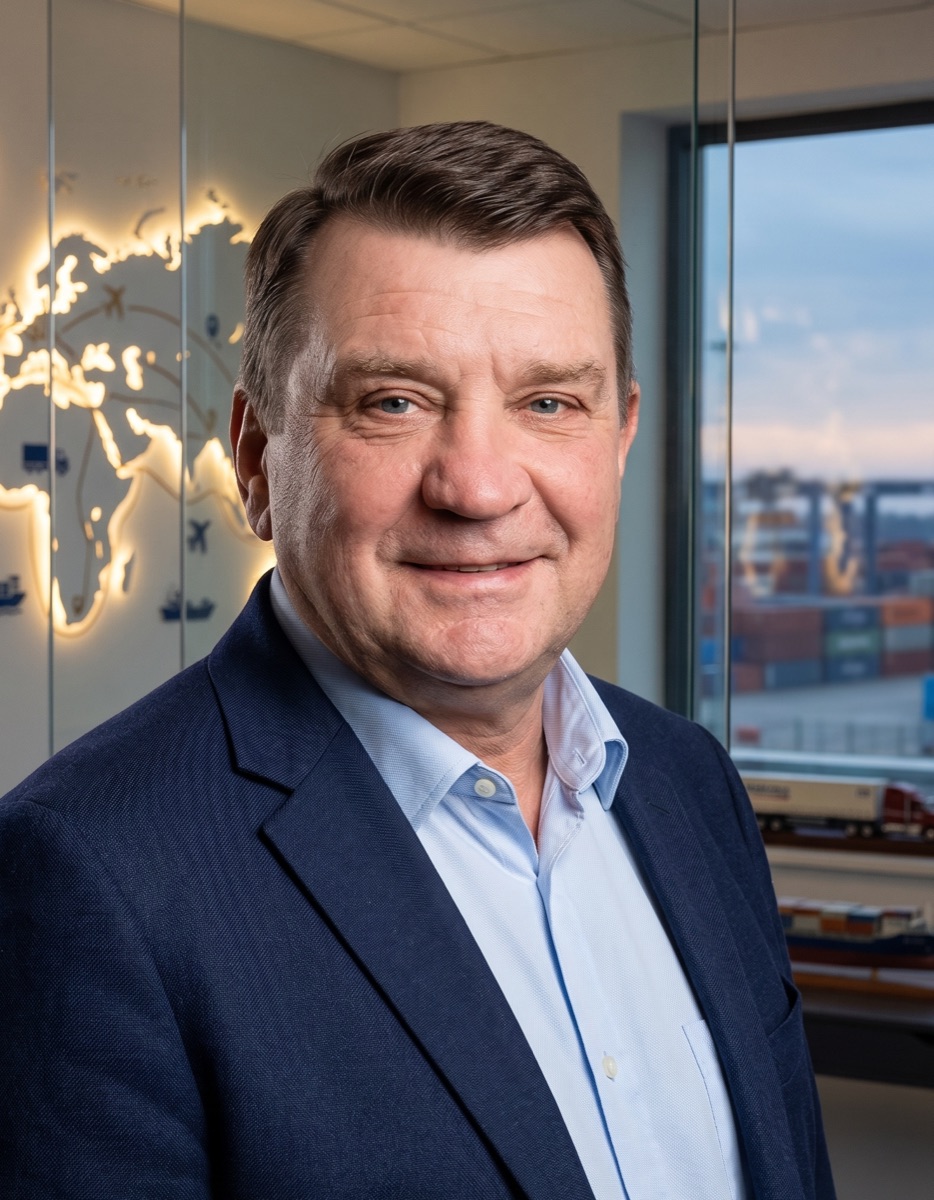
Andrzej Wieczorek has worked in road transport and logistics since 1992. He started as a truck driver in Poland, moved into international work, then continued his career in the UK. He later worked as a dispatcher, traffic manager and manager in European operations.
He has seen the work from the cab, the traffic office and the management table. That experience helps him ask better questions, spot weak points and speak to staff in language they understand.

Final step
Build a fleet that does not need you for every decision
You do not need to disappear from the company. You do need a clear way to move routine work, decisions and follow-up into the right hands.