

Freight brokerages and dispatch operations
Build a brokerage or dispatch operation that does not depend on the owner
Your team may handle more customers, more carriers and more daily work than before. Yet important decisions, staff problems and client issues still come back to you.
We help brokerage and dispatch owners create clearer workflows, stronger accountability and a more consistent way to manage the operation. When needed, we can also take an active management role.
Common growth and management problems
The team has grown, but the work still depends on personal habits
Brokerages and dispatch companies often grow through individual skill and personal relationships. That works while the team is small. As the company grows, the same approach can create confusion.
Common problems include:
The business may look busy while the operating structure remains weak.
- Staff handle the same task in different ways.
- Customer information sits with one person.
- Sales promises do not match what operations can deliver.
- Load coverage depends on individual contacts.
- Managers react instead of planning.
- Nobody owns follow-up.
- New staff learn by watching whoever sits nearby.
- Customer issues move straight to the owner.
- The company adds people but not control.
- The owner cannot tell which part of the workflow causes the problem.

Founder and key-person dependency
One person should not hold the whole operation together
In many brokerages and dispatch companies, the key person is not always the owner. It may be a senior broker, a lead dispatcher, or a customer service employee who holds the main relationships.
The company may depend on that person's memory, contacts and judgement. If they leave, take time off or stop performing, the operation can slow down fast.
We help turn personal knowledge into company-owned processes. We also help define who can make decisions, what managers need to see and how the team should handle exceptions.
The goal is not to replace one key person with another. The goal is to reduce the risk created when one person holds too much of the operation.
Workflow, staffing and accountability
More people do not create a better process by themselves
A new hire may add capacity. They may also add more questions, more handovers and more room for error.
A strong operation needs clear answers to simple questions:
- Who owns the customer?
- Who owns the carrier relationship?
- Who makes pricing decisions?
- Who handles service failures?
- What does the owner need to see?
- How does the company review performance?
- What happens when someone does not follow the process?
Without clear answers, the owner becomes the link between every function. We help define the roles, handovers and management routines that keep work moving.
How we help
We help build a more consistent operation
Workflow review
We examine how work moves through sales, customers, carrier relationships, dispatch and administration.
Role clarity
We define who owns each step and where responsibility changes hands.
Process work
We help document recurring work, handovers and escalation.
Management reporting
We help decide what the owner and managers need to see and how often they need to review it.
Staff accountability
We help create clear expectations, follow-up and action ownership.
Manager support
We work with team leaders or help define what the role should cover.
Ongoing leadership
When the team needs direct management, we can take an agreed role in the operation.
Advisory versus ongoing management
Some companies need a plan. Others need someone to lead it.
Operational Review and Advisory
This fits when you need to understand the weak points and decide what should change. We can help review and improve workflows, handover points, roles, reporting, meetings, escalation, staff accountability and key-person risk.
See the review serviceOngoing Operational Management
This fits when the operation needs direct leadership. We can lead management meetings, work with team leaders, review agreed reports, follow up on decisions, support staff through change, take agreed responsibility for part of the operation and help the owner move away from routine involvement.
The role and authority are set in writing before the engagement begins.
See the management serviceIntended outcomes
What a stronger brokerage or dispatch operation should look like
The intended outcomes may include:
- Clearer ownership of customers and tasks
- More consistent handovers
- Fewer routine decisions returning to the founder
- Less dependence on one employee
- Better management follow-up
- Clearer reporting
- More consistent client service
- Faster escalation to the right person
- Better support for new staff
- A clearer base for growth, succession or sale
The exact result depends on the company, team and agreed scope. We do not promise a specific financial result.
Why industry experience matters
Freight work moves fast. Management still needs structure.
Brokerage and dispatch teams make decisions under time pressure. Customers want answers. Carriers need clear instructions. Staff manage several moving parts at once.
A general manager may understand people and process. They may still need time to learn how this work behaves.
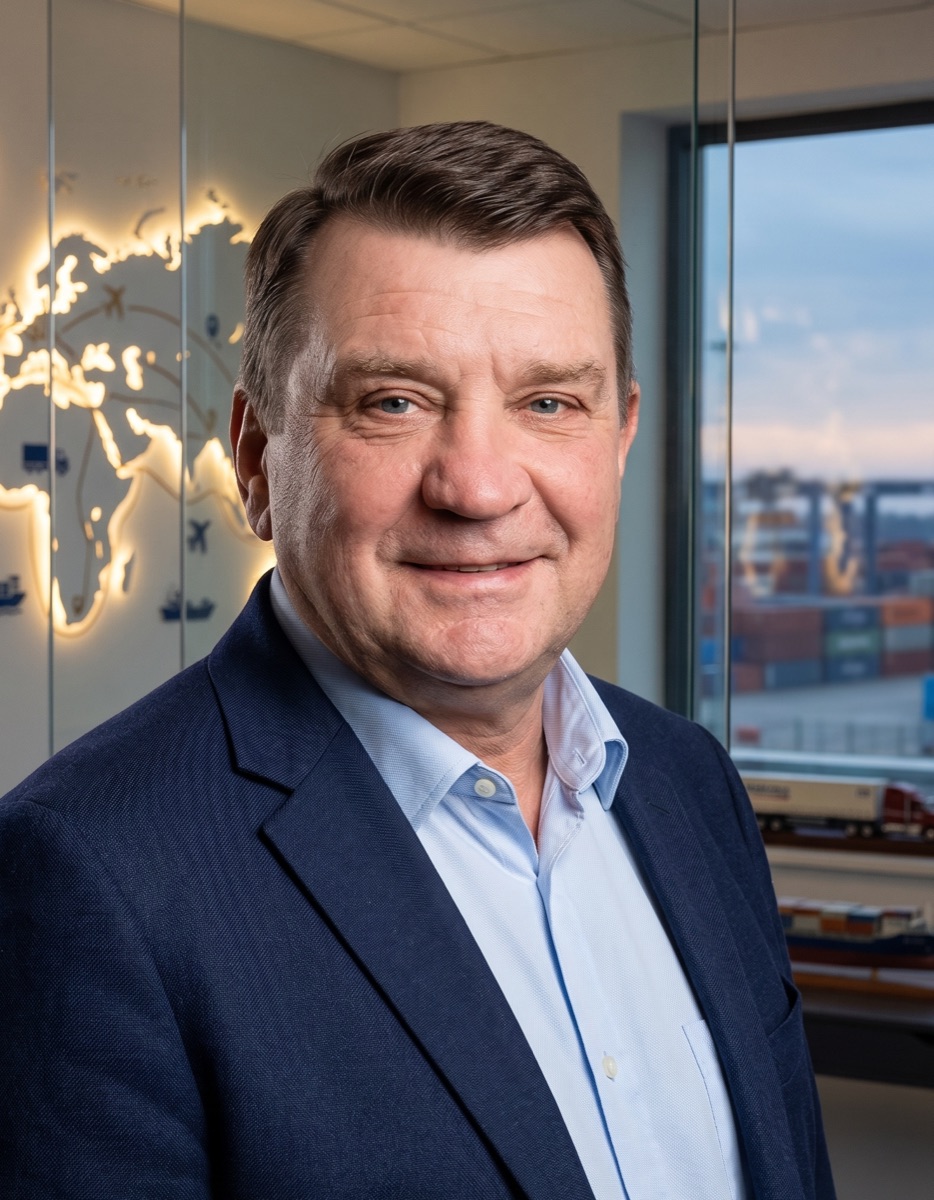
Andrzej Wieczorek has worked in road transport and logistics since 1992. He has driven international routes, worked in traffic offices, managed dispatch and held management responsibility in European operations.
He understands how decisions made in the office affect drivers, service and customers. That experience helps him work with teams without slowing them down with theory.

Final step
Stop carrying the whole operation in your head
The business should not depend on one person knowing every customer, every exception and every answer.
Talk to Andrzej about where the workflow breaks down, where staff need clearer direction and what level of support would fit.